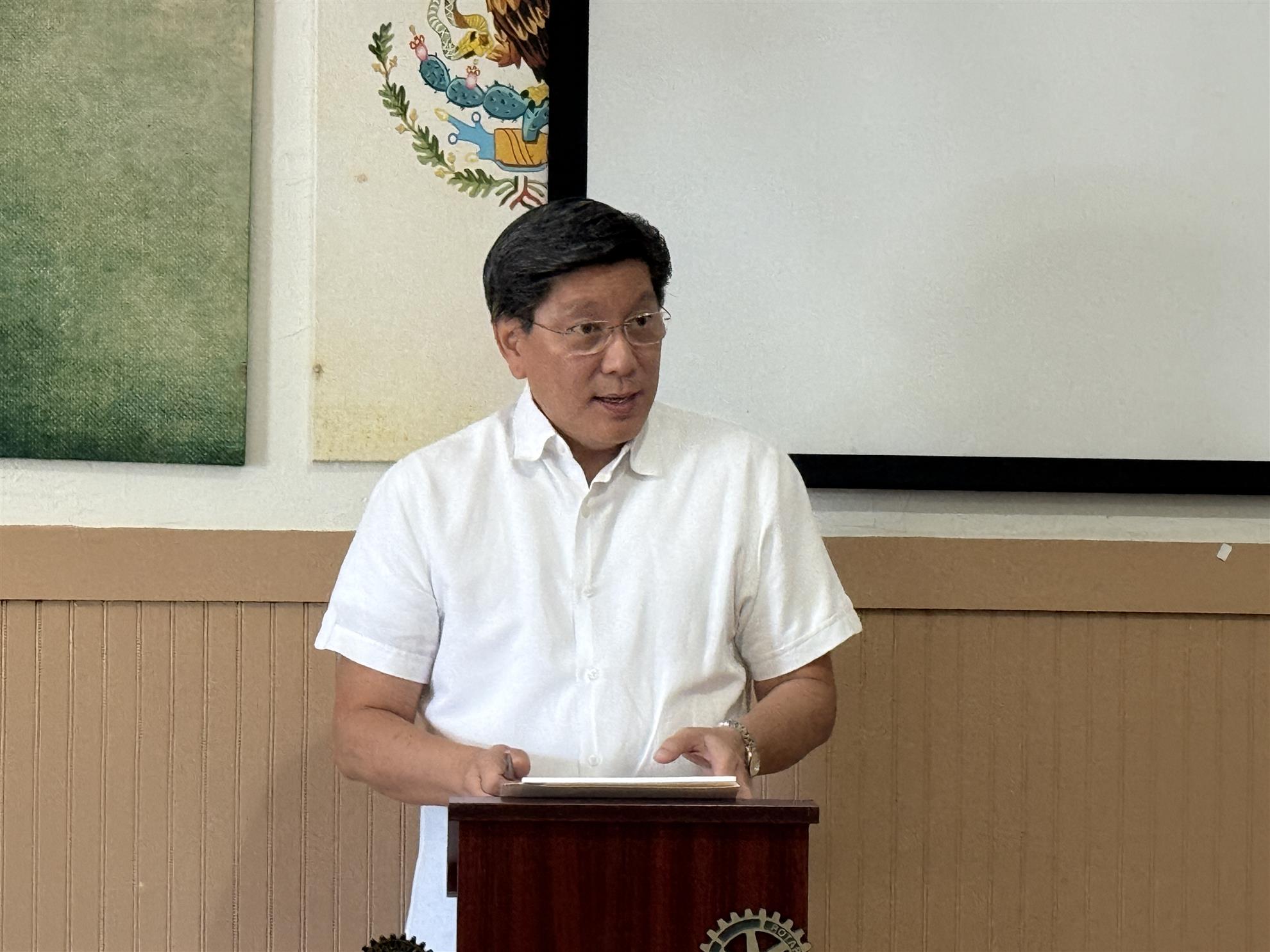
David was born in Taiwan and raised in Panama and offers a multicultural perspective. He graduated from Southwestern University and joined the Dispute Resolution Center (DRC) in 1995, where he serves as Director of Case Management and Volunteers, Case Manager, Mediator, and Mediation Training Coach.
DRC is a nonprofit organization started in 1983 by a group of young attorneys to help the community handle all kinds of mediations. They offer affordable, high quality mediation services and training programs for people who would like to become mediators.
DRC offers Civil Litigation Mediation when parties prefer an attorney mediator or have already entered the litigation process, however, the primary dispute resolution service available through the DRC is mediation. Mediation is a process in which two or more people involved in a dispute meet either at the DRC in-person or online via Zoom. Mediators do not make judgments, express opinions or give legal advice. Instead, they facilitate communication so the parties can find a solution of their own. A wide variety of cases can be successfully resolved through mediation such as neighborhood issues, family law disputes such as pre- and post-divorce matters, real estate, landlord/tenant, consumer/merchant, employer/employee, business and small claims.
The DRC works in cooperation with the Travis County Juvenile Court providing volunteer mediators to perform mediations on-site at the Gardner-Betts Juvenile Detention Center for teens and parents and also on-site at the Travis County Juvenile Court for juvenile offenders and their victims.
Steps in the mediation process include gathering information and summarizing it while neutralizing the language, allowing for some venting and acknowledging emotions, identifying the parties interests, identifying the problem and listing solutions without discussion of those solutions. They also facilitate the steps needed once a solution is agreed upon.
Their mediation services provide a peaceful and effective way to resolve conflicts helping individuals, businesses, and communities find mutually beneficial solutions. They are partially funded by Travis County and save the taxpayers over $1 Million a year by keeping cases out of court.